


Why Remote Community Advocacy and Groups Matter

Remote community groups are more important today than ever before. They connect people who might otherwise feel isolated. They provide support, share knowledge, and build a sense of belonging. I want to share why these groups matter so much and how they can empower individuals and communities.
The Power of Remote Community Advocacy
Remote community advocacy is about standing up for people’s needs and rights, even when we are not physically together. It means using online platforms and digital tools to create change. Advocacy helps raise awareness about important issues. It also helps bring resources and solutions to those who need them.
When we engage in remote community advocacy, we can reach a wider audience. We can connect with people from different backgrounds and places. This diversity strengthens the community and makes the advocacy more effective. For example, a remote group focused on mental health can share resources, host virtual support sessions, and advocate for better services in many regions at once.
Remote advocacy also allows for flexibility. People can participate from their homes, at their own pace. This is especially helpful for those with mobility challenges or busy schedules. It breaks down barriers and makes community involvement more accessible.

How Remote Community Groups Build Support and Connection
Remote community groups create a space where people feel safe and understood. They offer emotional support and practical advice. Members can share their experiences and learn from others. This exchange builds trust and friendship.
For example, a remote group for spiritual well-being might hold weekly meditation sessions online. Members can join from anywhere and feel connected through shared practice. This helps reduce feelings of loneliness and stress.
These groups also provide educational resources. They might share articles, videos, or host guest speakers. This helps members grow and find new ways to improve their lives. The knowledge shared is often tailored to the community’s specific needs.
Another key benefit is the ability to organize collective action. Remote groups can plan events, campaigns, or fundraisers. They can mobilize quickly and efficiently. This collective power can lead to real change in policies or community services.
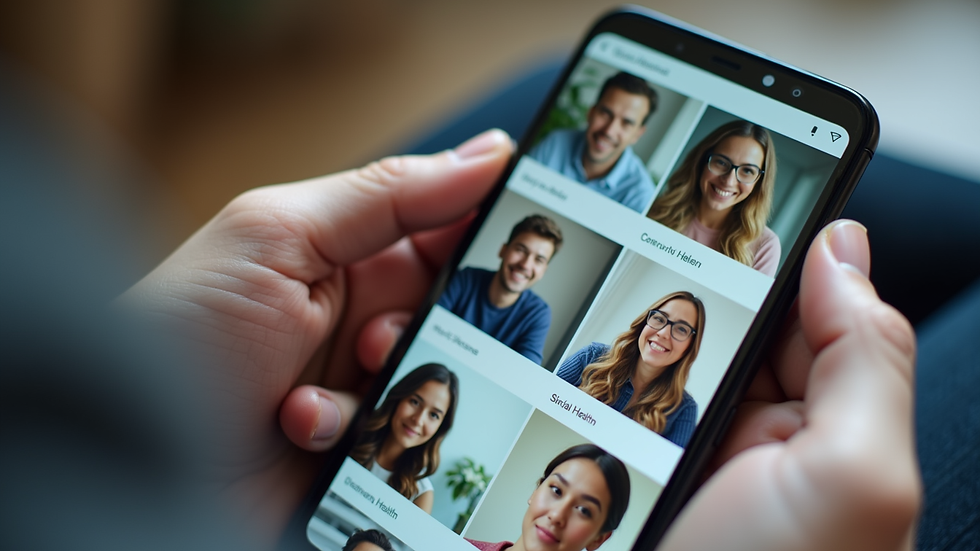
Practical Ways to Engage with Remote Community Groups
Getting involved with remote community groups is easier than you might think. Here are some simple steps to start:
Find a group that fits your interests or needs. Look for groups focused on mental health, spiritual growth, education, or advocacy.
Join the group’s online platform. This could be a social media page, a forum, or a messaging app.
Participate regularly. Attend virtual meetings, join discussions, and share your thoughts.
Offer your skills. If you have expertise, volunteer to help with projects or events.
Invite others. Encourage friends or family to join and grow the community.
By staying active, you help keep the group vibrant and supportive. You also gain the benefits of connection and learning.
One great way to stay updated is by following a remote community groups feed that shares news and opportunities from various groups. This keeps you informed and engaged.
The Role of Remote Community Groups in Holistic Support
Holistic support means caring for the whole person - mind, body, and spirit. Remote community groups are perfect for this approach. They offer resources and activities that address all these areas.
For example, a group might combine mental health discussions with spiritual practices like mindfulness or prayer. They might also share tips on nutrition and exercise. This well-rounded support helps members find balance and stability.
These groups often emphasize empowerment. They encourage members to take charge of their own well-being. They provide tools and knowledge to make positive changes. This can lead to lasting improvements in quality of life.
Remote groups also respect diversity and inclusion. They welcome people from all walks of life and create a space where everyone feels valued. This openness strengthens the community and promotes understanding.
Building Lasting Positive Change Through Remote Communities
Remote community groups are not just about short-term support. They help build lasting positive change. When people come together, share ideas, and work toward common goals, they create a strong foundation for the future.
These groups can influence local and global policies. They can raise awareness about issues that matter. They can also inspire new initiatives and partnerships.
For individuals, being part of a remote community group can lead to personal growth and resilience. It can open doors to new opportunities and friendships. It can also provide a sense of purpose and belonging.
By supporting and participating in remote community groups, we contribute to a more connected and compassionate world. We help create a network of care that reaches beyond borders.
Remote community advocacy and groups are vital for anyone seeking support and empowerment. They offer connection, education, and a platform for change. Whether you join to learn, share, or lead, these groups can make a real difference in your life and the lives of others.

Comments